Queering Labor (Labor Day 2026)
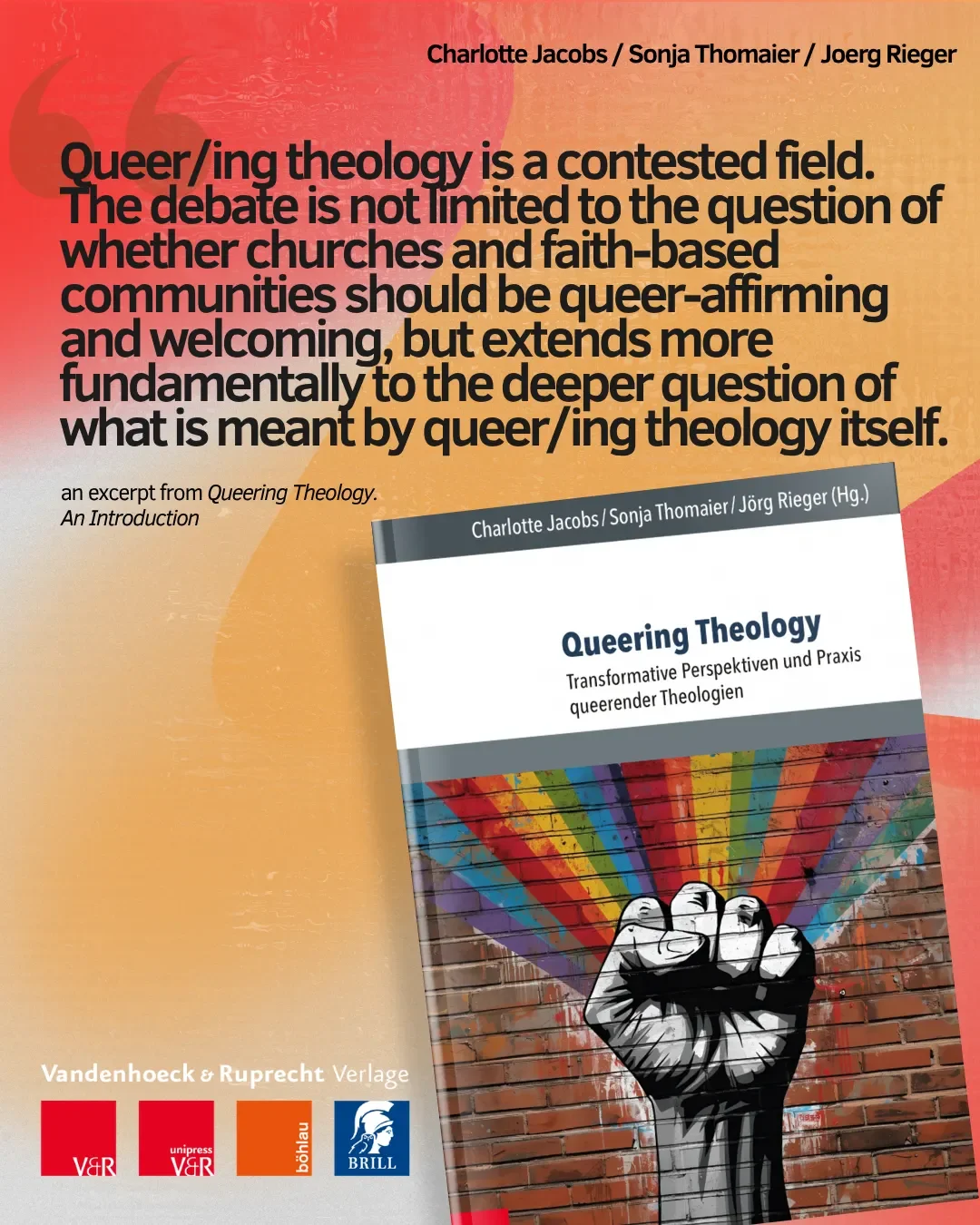
In this Labor Day contribution, Joerg Rieger challenges some of the most common assumptions about class in both academic and religious discourse. Rather than treating class as a matter of individual status, income, or social location, Rieger invites us to understand class as a relationship shaped by power, conflict, and interdependence. Such an approach, he argues, unsettles what is often taken as normal: the belief that individuals succeed or fail on their own, that economic inequality can be addressed apart from questions of power, or that churches can meaningfully engage economic justice without examining the structures that shape the lives of working people.
Read More
Paul Was Never a Conservative
So when Paul says Jesus is Lord, there are only two possibilities.
Either Jesus is Lord the way the emperor is Lord — which makes very little sense of a man who spent his life in and out of Roman custody. Or Jesus is Lord in a way completely unlike the emperor, which is a direct collision.
Read More
Religious Communities, Deep Solidarity, and the Work of Building Alternatives
Religious institutions can function as community infrastructure possessing physical gathering spaces, building relationships across generations, and creating networks of trust and mutual support. In communities where civic institutions have weakened or disappeared, religious communities can provide continuity and bring together people whose lives and interests do not neatly align. In these places, deep solidarity can develop.
Read More
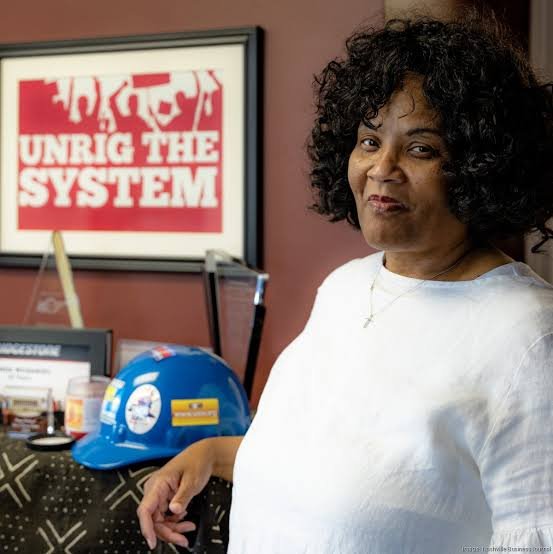
Rest in Power, Vonda McDaniel
The first person that Rosemarie and I sought out after moving to Nashville and Vanderbilt in 2016 was Vonda McDaniel. This had to do with our growing sense that the world can only be changed through deep organizing that touches all levels of life.
Read More
When Extraction Produces Deep Solidarity
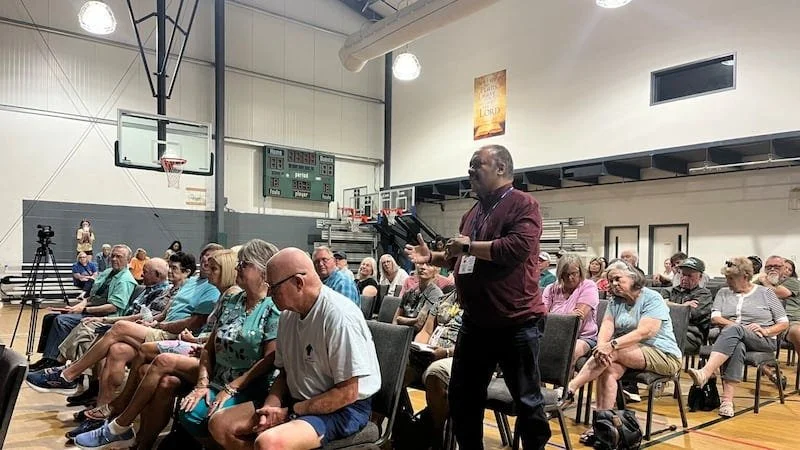
Across the United States, opposition to data center expansion is continuing to develop and expand in diverse and sometimes unexpected coalitions. Residents are concerned about noise or land use. Farmers and landowners are facing the transformation of their land into industrial infrastructure. Environmental advocates are fervently tracking water withdrawals and energy demand. Local officials are now beginning to question the long-term fiscal impacts on their communities. And the 99 percent are now navigating the gap between promised economic development and what is actually playing out in their hometowns. And of course, religious leaders cannot ignore the concerns, fears, and hardships in their communities.
Read More
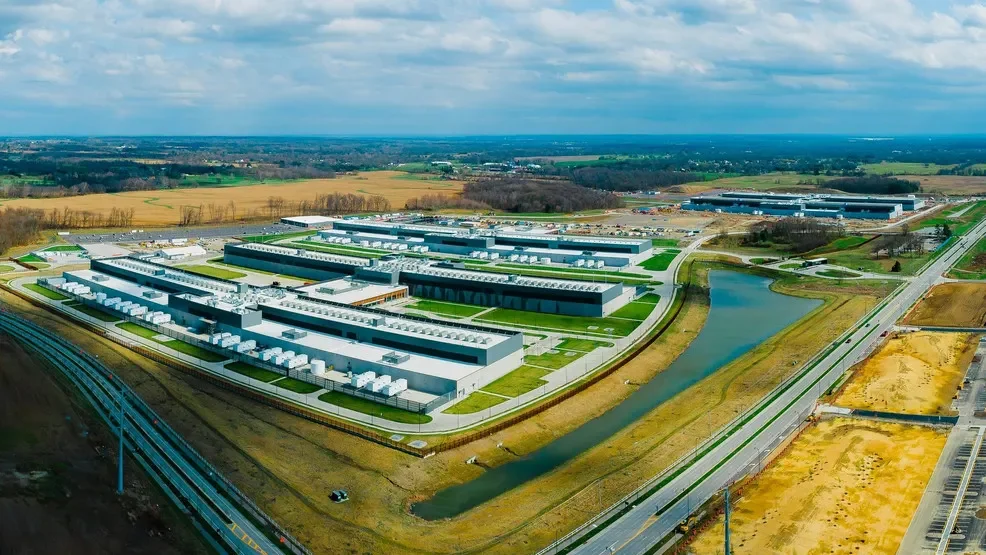
The Data Cloud is Not Weightless
Understanding data centers requires moving beyond their technological framing and analyzing them as a form of fixed capital investment. These facilities represent massive, long-term investments by technology firms seeking to secure the infrastructure necessary for data storage, processing, and artificial intelligence (AI) development. Unlike traditional industrial projects (think warehouses or office buildings), data centers operate on a high-capital, low-labor model. They require substantial upfront construction, but once operational, they employ relatively few workers. Their economic footprint is therefore uneven: concentrated in capital returns, limited in long-term employment generation.
Read More
Churches and Cooperatives (Part V): Worker Cooperatives as Toeholds of Transformation
Just as the Black Church served as a hub for the civil rights and labor rights movements in the 1960s, so too can churches in the present support the cooperative movement by encouraging democratic practices, defraying start-up costs, or even establishing their own cooperatives.
Read More
Churches and Cooperatives (Part IV): Economic Justice in the Bible
In contrast to capitalist faith in individualism, competition, profit maximization and top-down control, the biblical vision of economics is rooted in restraint, cooperation, shared responsibility, and God’s solidarity with the poor.
Read More
Microreview: Printer’s Fist
Printer’s Fist curates a chorus of abolitionist voices, drawing on archival material from the 18th and 19th centuries (with a special interest in print media) as both inspiration and poetic form. Labour and theology both take a dialectical position in this sequence, both as instruments of exploitation and as sites of resistance and liberation.
Read More
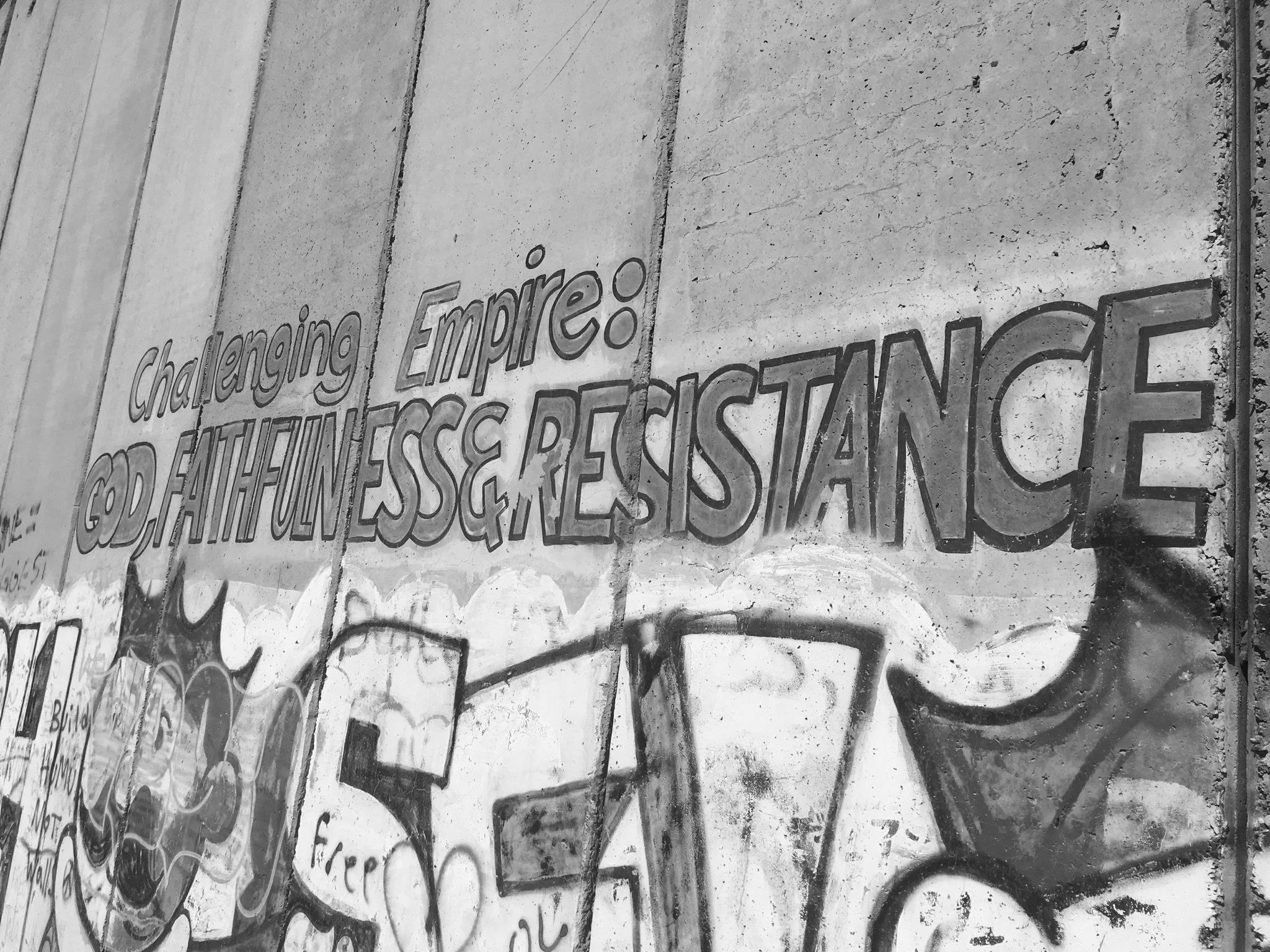
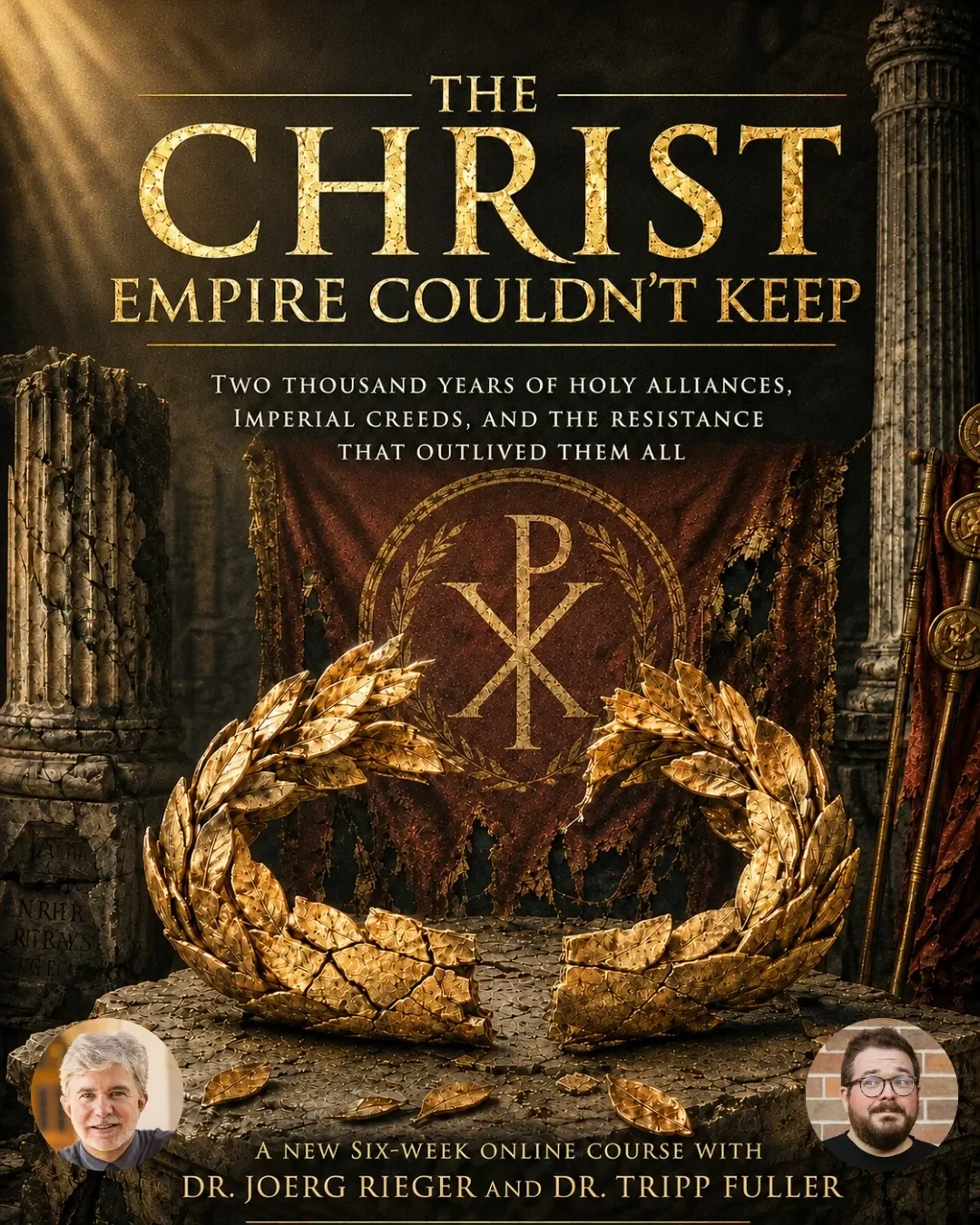
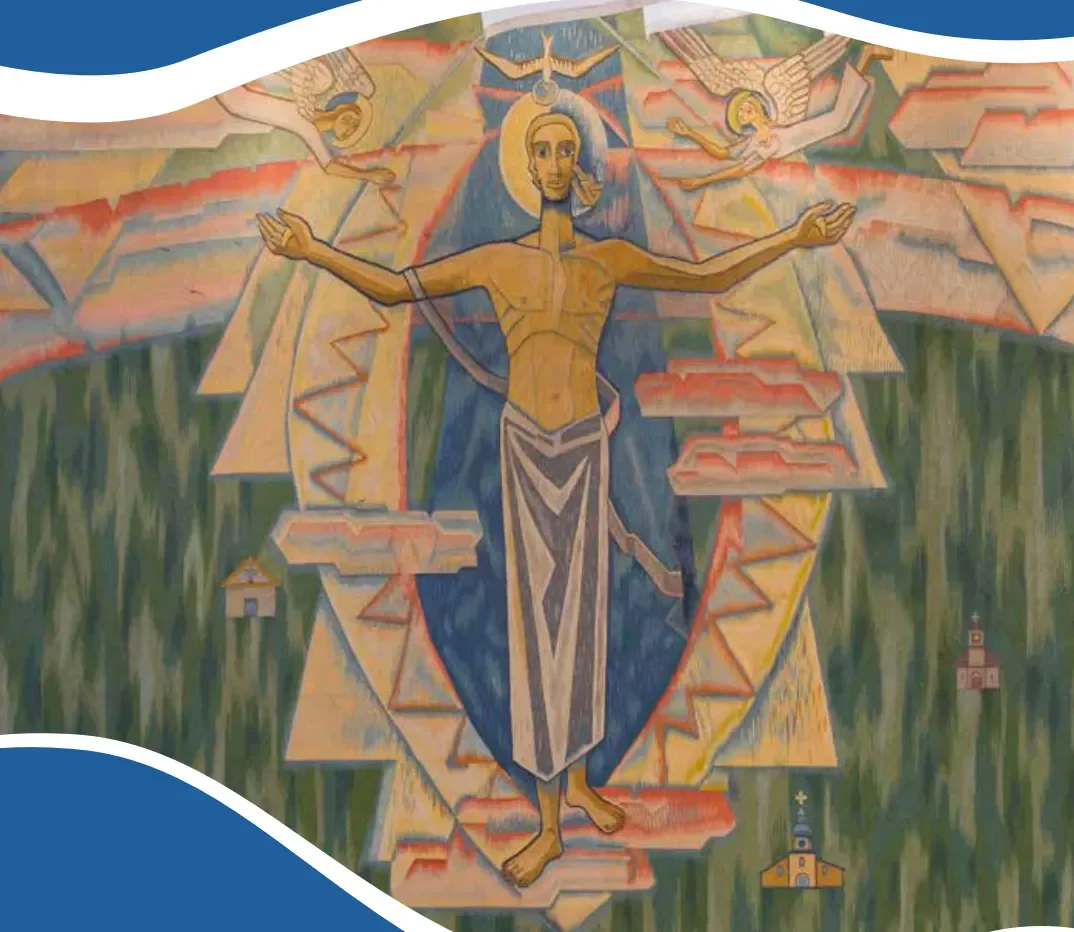
Reading the Nicene Creed Through a Liberative Lens
For all the influence of empires, there is something about Christianity that seems to challenge the status quo of empires.
Read More
Churches and Cooperatives (Part III): The American Church and Class Silence
If churches hope to be actors in the work of economic justice, then they have a responsibility to develop an anticapitalist counter-theology, but to do so they must first disentangle from their own idolatrous faith in capitalism. What sort of faith allows Christians to bless the gods of capitalism while professing faith in the biblical God of justice?
Read More
Churches and Cooperatives (Part II): Blind Faith in Neoliberal Capitalist Theology
There are countless tenets of capitalist faith hiding in plain sight, but the recent turn towards neoliberalism highlights three interrelated values worth considering here: individualism, competition, and profit maximization as the ultimate good.
Read More
What Did You Do for a Living, Mary?
As a German feminist theologian, I appreciate the English term labor for its semantic advantage over many other languages. The phrase to go into labor inherently acknowledges the physically demanding activity of childbirth as a form of labor – a visualization that is often absent in other languages. And yet, at the same time we’re left wondering: What did Mary do besides her labor as a caregiver, what about her livelihood? What did Mary do for a living?
Read More
Reshuffling the Three Cs of Christmas, Or: What about the Work of Christmas?
When considered in this light, putting Christ in Christmas means turning to a Christ who stands in solidarity not with the rulers but with the ruled—the majority of humans who have to work for a living, both then and now. In this way, an economy where capital assumes the rule over all of life—isn’t that what capitalism ultimately amounts to?—is exposed as both anti-Christmas and anti-Christ.
Read More
Worker Coops Build the Solidarity You're Looking For
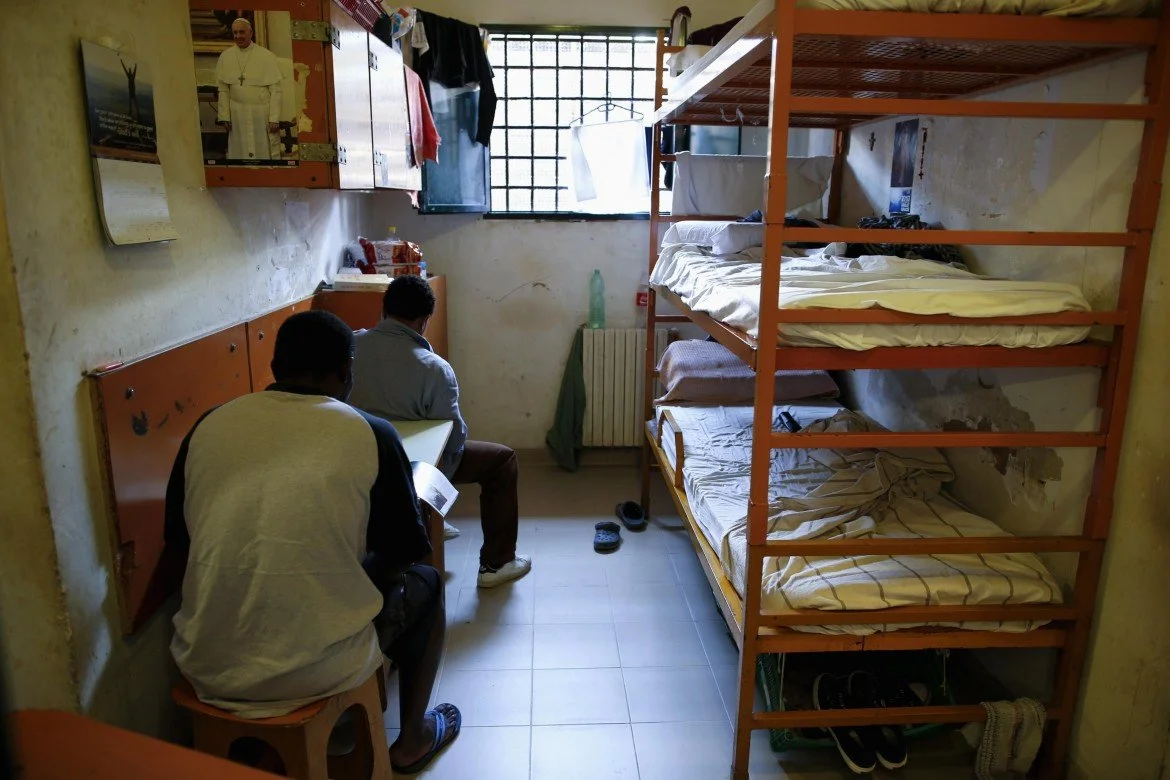
Rolling up to the Carcere Bollate, the prison that has become the epicenter of Italian prison reform, you can't help but to feel a deep sense of underwhelm. Yep. This is a prison. I’m here to study how cooperatives are used for prisoner rehabilitation. If you are an American who has ever interacted with the carceral system, there is little interest in creating a space for awe, wonder, curiosity, home, or reflection. It is about creating the cheapest warehouse for humans. The Italian prison system is unfortunately modeled on the US carceral system.
Read More
Pride, Power, and Collective Liberation
Queer, working-class, and Catholic, Gab Lisi engages with Pride through Rieger’s deep solidarity—exposing false freedoms and calling for collective liberation for all.
Read More
The Cooperative and Solidarity Economy Resource Hub
We are building a cooperative future where faith and justice meet economic transformation. This is your one-stop page for all of our podcasts, webinars, blog posts, and reflections on the solidarity economy, economic democracy, and faith-driven justice work.
Read More
Book Review | Theology in the Capitalocene (2022)
By “Capitalocene,” Rieger is building on the work of Jason Moore;1 “Anthropocene” is misleading because, in many ways, humans have only altered the entire globe by means of capitalism in the last half millennia. “Blaming humanity as a whole for climate change and ecological devastation,” he remarks, “misses the flows of power that determine our age. The same would be true for blaming religion as such or all sciences, natural or social” (p. 27).
Read More