

Interventions is a space for students, scholars, clergy, and activists to write and collaborate on practical and theological approaches to issues of economy, ecology, religion, and justice.
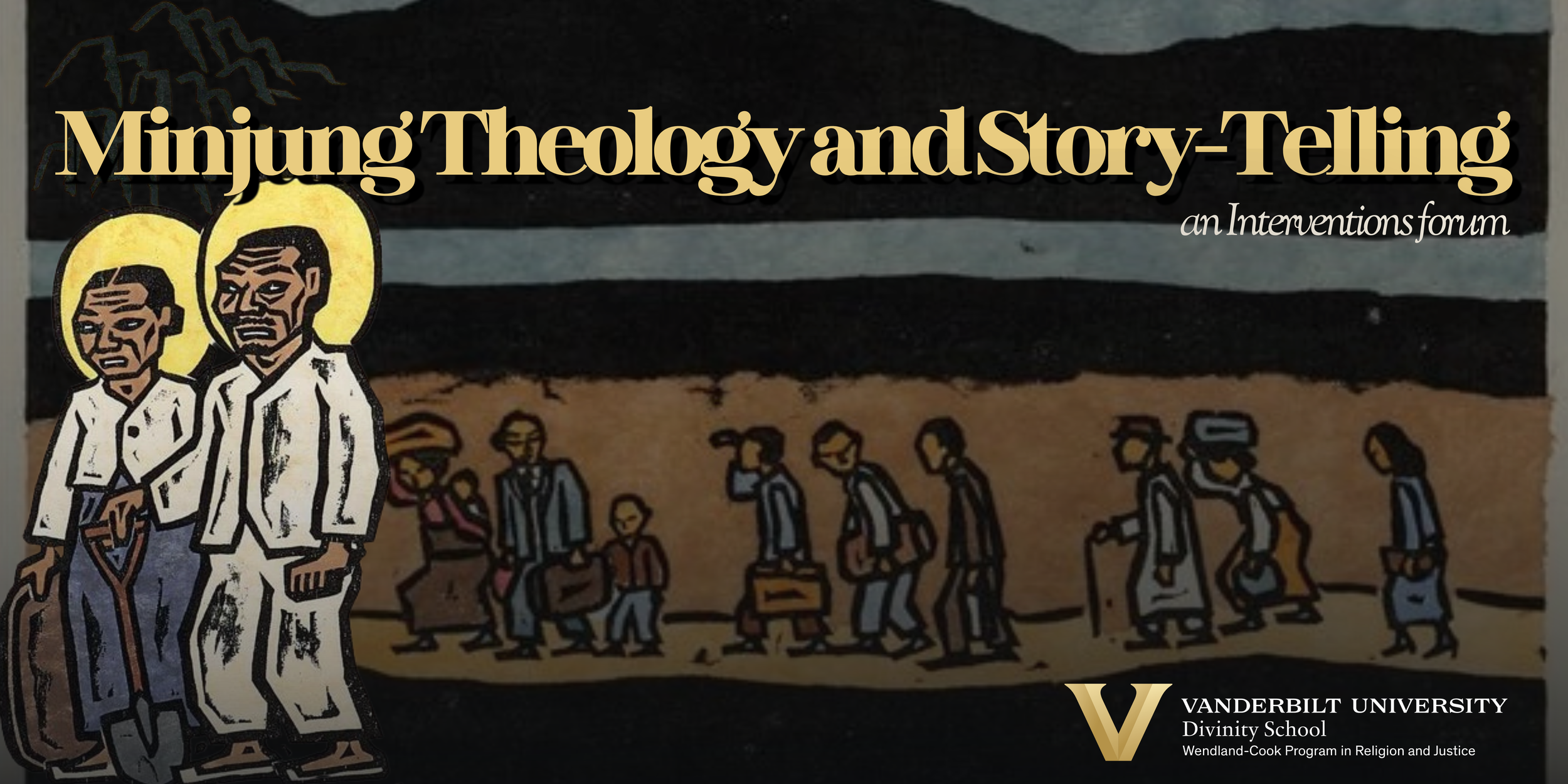
Minjung Theology and Story-Telling
Inspired by other liberation movements around the globe, minjung theology is one of the original liberation theologies which grew out of people’s movements in Korea during the 1970s. Similar to all genuine liberation efforts, it faced substantial pushback and has often been declared dead. Nevertheless, minjung theology could never be completely silenced and some of its work continues. Today, as struggles for liberation only gain traction, many of the topics explored by minjung theology are more relevant than ever. As the few at the top consolidate their rule over the many, the many are developing new awareness, strategies for resistance, and are building alternatives. These developments have profound implications for the future of theology and faith communities with the potential to liberate not only the people but also theology and religion itself. That such liberation is necessary is becoming increasingly clear in the present moment, as theology and religion are once again used to support empire rather than the people.

Latest Forums

Power and Privilege: Reclaiming Solidarity for Justice
December 2024
This forum brings together the voices of Filipe Maia, Aaron Stauffer, and Joerg Rieger to explore the critical intersections of class, power, privilege, and solidarity. This fourm is grounded in Chapter 4 of Rieger’s Theology in the Capitalocene and were presented during the fall meeting of the Theology and Religion in the Capitalocene International Working Group.

Theology Between New Materialism and Eco-Socialism
June 2025
This forum features the presentation by Dr. Jan Rehmann during the spring 2025 Theology and Religion in the Capitalocene Working group, along with the responses by Joerg Rieger and George Schmidt. We are happy to reproduce this paper in its entirety here.
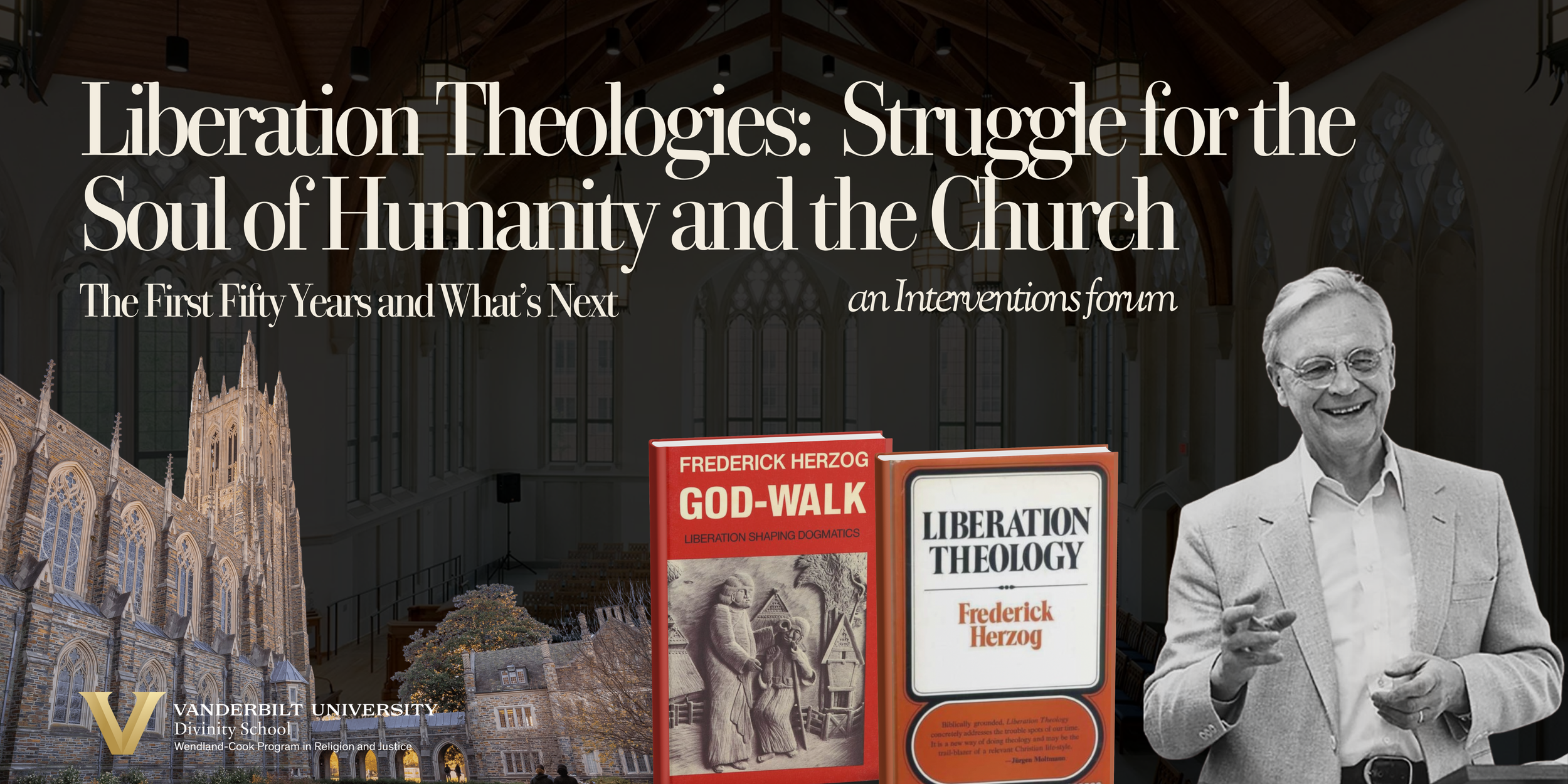
Liberation Theologies and the Struggle for the Soul of Humanity and the Church: The First Fifty Years and What’s Next
February 2026
In the early 1970s, Cone and Gutiérrez independently articulated liberation theology within their own struggles: the African American civil rights movement in the United States and Latin America’s recognition that liberation—not development—was urgently needed. Less widely known is the fact that a white theologian in the southern United States also arrived independently at the term, giving rise to another, often overlooked strand of liberation theology.
That theologian was Frederick Herzog of Duke University.
